By Zubeida Jaffer
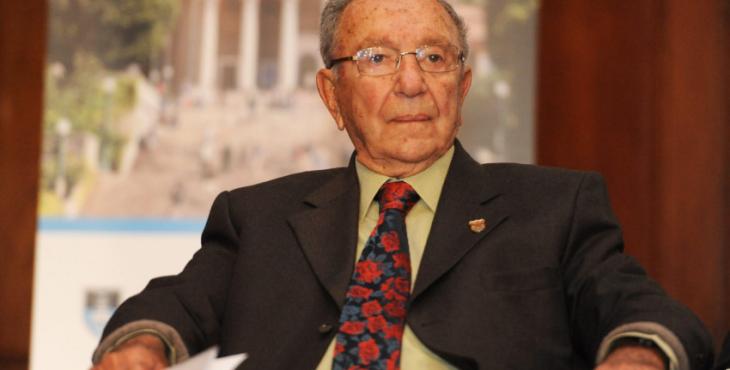
My mother, Raghmat Jaffer, reached the age of 99 years by God’s grace in November, 2025. She continues to do her own chores. I asked her what she would consider being important elements of longevity. Her reply was eating carefully and always moving. “When I hang my clothes on the washing line, I am stretching. When I make up my bed and sweep my room, I am moving. I don’t know why you children have to go to gym. This is my exercise every day,” she said.
There was a time when we did not have a fridge or a washing machine. The first washing machine had a roller through which sheets had to be drawn. My mother did that. She washed my brothers’ soccer socks in a huge enamel basin. Her hands tell a story of a life lived with physical activity.
For as long as I remember, she eats very carefully. Helpings are small and balanced – a starch, protein and vegetables. She very seldom fills her plate with food. If she wants more, she would then dish more but not start off with a plate piled with food.
As is the case with many elderly, the eating pattern has also becomes routinized. Contrary to dietary wisdom, she eats a light breakfast, a light lunch and a substantial supper. “It helps me sleep well if my stomach is full,” she said. And Saturdays are chocolate days.
Recently Wits researchers have shown that movement can prevent and reduce the effects of disease, including cancers, improve recovery and protect mental health, according to an article in their research magazine, CURIOS.TY. Three professors confirm what my mother has been telling us for years.
“Human beings are hardwired for movement,” says Demitri Constantinou, Professor and Specialist Sports and Exercise Physician in the Wits Department of Exercise Science and Sports Medicine. “When we stop moving, our bodies start to deteriorate … and it happens rapidly.”
Constantinou’s team has conducted research that shows that even a single day of inactivity can trigger measurable changes in the cardiovascular and musculoskeletal systems. “On the other hand, physical activity releases signalling molecules that influence cell metabolism, regeneration and immunity. The effects are profound and they start with something as simple as standing up.”
“Any movement is better than none, so even standing instead of sitting makes a measurable difference to your health,” says Constantinou.
Professor Philippe Gradidge has spent years studying physical activity, obesity and sedentary behaviour, including the effects of ‘standing desks’. Gradidge says that movement is not about extreme sport, it is about micro-movements that add up in the day, week and over a lifetime. “In our studies, we have seen that small changes like walking, standing or light stretching can meaningfully enhance both physical and mental wellbeing,” he says.
His team has shown that standing desks improve posture, reduce back pain and sharpen focus amongst office workers, while structured walking programmes improve heart health and mood among South African women. “Movement is medicine – and it works even in small doses,” says Gradidge.
Jon Patricios, Professor of Sports Science and Exercise Medicine in the Faculty of Health Sciences believes that despite small steps making a difference, we should aim to adhere to the World Health Organization’s guidelines of 300 minutes per week of moderate intensity exercise, for all its well-described benefits.
“Knowing that as little as 60 minutes of regular weekly exercise may reduce the likelihood of cancer progression by 27% and death by 47% should encourage all doctors to use exercise as medicine,” says Patricios. “Regular physical activity is the most powerful and accessible prescription that we can give our patients.”
Perhaps designing a society that promotes movement is a priority challenge for all.
I have learnt the lessons from my mother. I am doing my best to heed her advice.
For more information, go to CURIOS.TY at Wits University.

CREDIT: picture provided by Ruschka Jaffer