By Zubeida Jaffer
Facebook posts are aflush with news of the passing of Aubrey Levin, known in South Africa as “Dr Shock.” He was an apartheid-era military psychiatrist known for administering electric shocks and powerful drugs to homosexual soldiers and other people regarded as ‘deviant” in the army then. He got away, left Rhodes University in 1995, fled to Canada and never had to face the full might of South African law and the families devastated by his actions.
In a twist of fate, his sins caught up with him in Canada.
His Canadian career collapsed in 2010, when police investigated allegations that he had sexually assaulted male patients. One patient secretly recorded a consultation in which Levin appeared to fondle him. Other men subsequently made similar allegations, many involving patients referred through Alberta’s justice system.
In January 2013, a Calgary jury convicted Levin of sexually assaulting three patients. He was sentenced to five years in prison. The case created disturbing parallels between his alleged abuse of power in apartheid South Africa and his exploitation of vulnerable patients in Canada.
Levin was known to have presided over the ultra-secretive “Ward 22” at 1 Military Hospital in Voortrekkerhoogte, Pretoria, in the early 1970s, as well as the equally mysterious Greefswald SADF camp (the Mapungubwe archaeological site) near the Zimbabwe border.
Survivors allege that Levin heavily drugged and shocked his victims in the ward. Levin would also fly in via army helicopter to Greefswald to oversee the SADF’s hard labour drills on drug-addicted or mentally ill conscripts, many of whom were his apparent “patients”. The drills were another of his supposed experiments to try and cure them.
Born in Johannesburg, Levin joined the South African Defence Force and rose to the rank of colonel. Besides electric shocks , his programmes used powerful drugs, hormones and other coercive methods in attempts to change sexual orientation or behaviour. Former patients and human-rights researchers described the practices as abusive and lacking genuine informed consent
A whistleblower’s report by the Committee on South African War Resistance in the late 1980s first sounded the alarm. Levin was then publicly implicated, along with 23 other healthcare professionals, in a Health and Human Rights Project (HHRP) report issued to the Truth and Reconciliation Commission (TRC) in 1997.
This story is not likely to end with his death in Canada. For two years now a bilateral SA-Canadian documentary team has been hard at work piecing together the full story.
This team, comprising News24 broadcast journalist Graeme Raubenheimer, fellow journalist Jan Bornman, and Canadian filmmakers Michael Peterson (director) and Jay Beechinor (producer), has since lodged a submission to the Khampepe Commission, which is considering the complexities of unresolved apartheid-era crimes.
Dr Shock is effectively back on our shores, perhaps not to face the music, but for the shame of his deeds to be known fully.
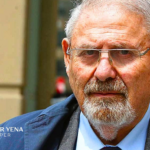
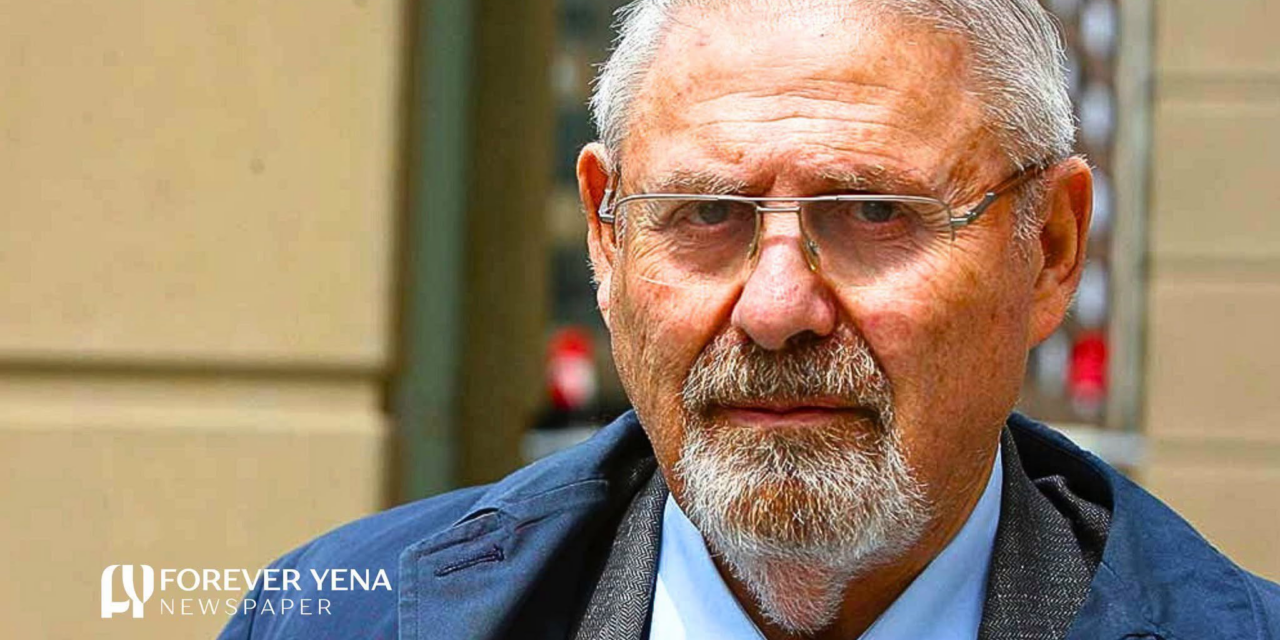
Photo: Forever Yena Newspaper, KZN