By Zubeida Jaffer
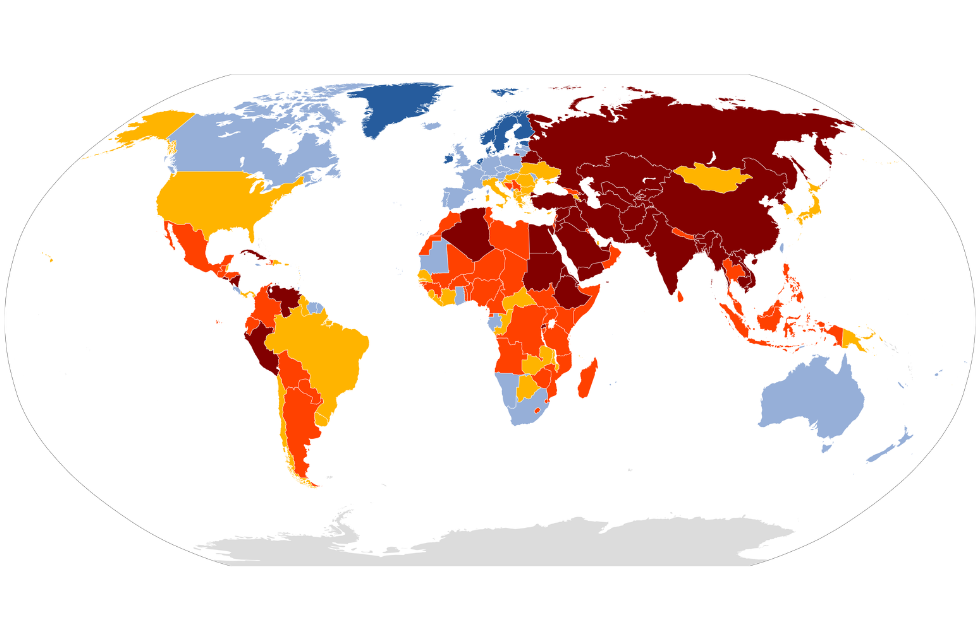
South Africa and Namibia have emerged as leaders on the continent in the 2026 World Press Freedom Index by Reporters Without Borders(RSF), with both countries ranking above the United States and ahead of all African peers. In the latest rankings, South Africa stands at 27th globally, while Namibia follows at 28th, making them the top two African nations for press freedom. The United States, by contrast, has fallen to 64th place, amongst 180 nations, underscoring how far behind it now lags behind these two African democracies.
World Press Freedom Day and African roots
On May 3, journalists around the world mark World Press Freedom Day, a day that celebrates the fundamental role of a free press in democracy. The day traces its origins to the efforts of African journalists and diplomats, who pushed for greater protections and recognition of media freedom in the early 1990s. The Windhoek Declaration of 1991, adopted in Namibia, became a cornerstone document and helped lay the foundation for the United Nations’ proclamation of May 3 as World Press Freedom Day in 1993.
How South Africa and Namibia perform
South Africa’s 27th‑place ranking reflects an improvement in recent years, driven by strong constitutional protections for free expression, a diverse media landscape, and relatively low levels of direct government interference. Challenges remain, including economic pressures on independent outlets and occasional political pressure on public broadcasters, but overall the environment for journalism is still rated as one of the best in Africa.
Namibia’s 28th‑place position highlights its long‑standing reputation for robust media freedom. Journalists in Namibia generally operate without fear of physical attacks or imprisonment for their work, and the legal framework remains largely supportive of press independence. However, gaps in access‑to‑information laws and declining advertising revenue continue to squeeze media outlets’ financial viability.
The broader press‑freedom picture
RSF acknowledges that for the first time in the history of the Index, over half of the world’s countries now fall into the “difficult” or “very serious” categories for press freedom. In 25 years, the average score of all 180 countries and territories surveyed in the Index has never been so low.
Across the continent, most African countries still fall into “problematic” or “very serious” categories, with journalists facing legal restrictions, harassment, and, in some cases, imprisonment or violence. Against this backdrop, South Africa and Namibia’s leadership—rooted in the same spirit as the African‑driven World Press Freedom Day—serves as a reference point for other African states seeking to strengthen legal protections, insulate media from political pressure, and ensure that journalists can work safely and independently.
(For access to the full report, click on https://rsf.org/en/index.)